
Hyperpigmentation Laser Treatment
Reduce dark spots, freckles and uneven pigmentation with targeted laser treatment at Neutral Bay Laser & Dermatology. Expert care, proven results. Book today.

Treatment Time
Numbing
Discomfort
Recovery Time
What is pigmentation laser?
Pigment lasers target brown, pigmented or darker patches or lesions on the skin. These lasers work by delivering focused light energy that breaks down excess pigment in the skin, allowing the body to gradually clear it away.
Hyperpigmentation laser treatment can treat a range of conditions, including lentigines, freckles, age warts, liver spots, seborrhoeic keratoses, brown birthmarks, melasma, and pigmentation caused by sun exposure. They may also be used for pigmentation related to drug side effects, failed iron infusions, colloidal silver supplements, and tattoos of various types.
We use a range of advanced technologies for pigmentation removal and we select which is best for you, based on the type of lesion and your skin type. These include:
- Q-Switched Alexandrite
- Q-Switched 532nm Nd:YAG laser
- Q-Switched 1064nm Nd:YAG laser
- Picosure Picosecond Alexandrite
- Erbium:YAG
- Intense Pulsed Light (IPL)
Treating pigmented lesions requires a consultation with our dermatologist, who will assess your skin and determine whether the pigmentation is safe to treat. During this consultation, the dermatologist will also recommend the most appropriate hyperpigmentation laser treatment based on your skin type.
Once your consultation is complete, you may have the option to undergo laser pigmentation removal on the same day, or return at a time that best suits you.
Prior to treatment, numbing cream is applied to the area for approximately one hour to make the experience as comfortable as possible for you. The laser procedure itself usually takes between 15 and 60 minutes depending on the size and number of areas being treated.
To prepare for laser pigmentation removal, please avoid unprotected sun exposure and fake tanning products for a minimum of two weeks prior to treatment. Sun exposure can increase the risk of complications.
On the day of your treatment we ask that you please:
- Do not wear contact lenses
- Avoid wearing valuable jewellery
- Do not apply makeup, including lipstick or mascara
- Wear comfortable clothing and shoes
Immediately after treatment, you will be given an ice pack to apply to the treated area. This helps soothe the skin and reduce any swelling. Ice packs can be applied for up to 10 minutes at a time, every hour or two, for the remainder of the day. If your face has been treated, sleeping with your head slightly elevated can help reduce swelling.
You may shower or bathe as normal using your usual products. Makeup can generally be worn after treatment, although perfume should not be applied to treated areas.
Vaseline can be applied two to three times daily for around three days to assist healing. Alcohol, strenuous exercise and vigorous activity should be avoided for the rest of the treatment day.
Sun protection is essential following hyperpigmentation laser treatments. SPF50+ sunscreen should be applied regularly until the skin has fully healed. We also recommend wearing a hat or covering treated areas when outdoors.
Some patients may be prescribed a “fading cream” containing hydroquinone. This is typically started two weeks after the hyperpigmentation laser treatment session and used nightly for two to three months.
For this treatment, all patients are required to have an initial consultation with Dr Terence Poon before proceeding with laser pigmentation removal.
This ensures the treatment is appropriate for you and tailored to achieve the best possible results.
- Reduction in the appearance of pigmentation on the skin
- Little recovery time
- Quick treatments
- Visible improvement in as little as one treatment, dependent on lesion type, size and darkness, though several may be required to achieve optimal results.
- Minimal impact on daily activity.

Who is not suitable for this treatment?
Most patients are suitable for hyperpigmentation laser treatment. However, patients with dark skin should ensure they consult with an experienced laser dermatologist, with a variety of available laser & light based options, as special care needs to be taken to avoid hypopigmentation of the surrounding skin, or over-lightening of dark spots.
What are the possible risks or complications of pigmentation laser?
As with any laser procedure, there are potential risks, although laser pigmentation removal is considered a very safe treatment.
Possible temporary side effects may include:
- Mild discomfort similar to a sunburn sensation
- Redness
- Swelling (oedema)
Less common risks include:
- Hypopigmentation (lightening of the skin)
- Hyperpigmentation (darkening of the skin)
- Blisters
- Infection
- Scarring (extremely rare)
Your dermatologist will discuss these risks during your initial consultation and put your mind at ease.
How much does treatment with a pigment laser cost?
Before undergoing laser pigmentation removal, patients must first attend a consultation with our dermatologist. The consultation costs $365, with a Medicare rebate of $86 available if you have a referral.
Treatment costs depend on the type, size, and number of lesions being treated. These details will be discussed during your consultation. As a general guide, laser treatment can begin from approximately $550, though pricing varies depending on the treatment required.
Please note that all prices are subject to change.
What does hyperpigmentation laser treatment feel like?
The sensation of the laser varies between patients and depends on the area being treated and the depth of pigmentation.
Most patients describe the feeling as similar to being flicked by a rubber band. Numbing cream is applied for around one hour prior to treatment, and oral analgesia can be provided for your comfort.
What is the best treatment to get rid of pigmentation?
The best treatment depends on the type of pigmentation present. Some lesions respond well to laser pigmentation removal, while others may require topical treatments, skin needling, chemical peels, IPL, or a combination of approaches. During your consultation, the dermatologist will assess your skin and recommend the most appropriate treatment.
Can pigmentation be removed permanently?
Some types of pigmentation, such as sun spots and age spots, can be effectively treated with laser pigmentation removal. However, pigmentation may recur over time due to ongoing sun exposure, hormonal changes, or underlying skin conditions. Ongoing sun protection is important to maintain results.
Can a dermatologist remove pigmentation?
Yes - but choose carefully. Dermatologists are trained to diagnose different types of pigmentation, though not all have laser expertise. Seek one with extensive skin laser experience for the most appropriate treatment recommendation.
How does a pigment laser work?
Lasers work by targeting pigment within the skin. The laser energy breaks down the pigment particles, which are then gradually cleared by the body’s natural processes. This can help reduce the appearance of freckles, sun spots and other forms of hyperpigmentation present on the body.
How many laser sessions are needed for pigmentation?
The number of treatments required depends on the type, depth and size of the pigmentation. Some lesions respond well after one treatment, while others may require multiple sessions to achieve the result you’re looking for.
Our Practitioners
The doctors at Neutral Bay Laser & Dermatology Clinic are highly trained medical professionals, with a caring and compassionate outlook, and a commitment to delivering exceptional results for our patients.
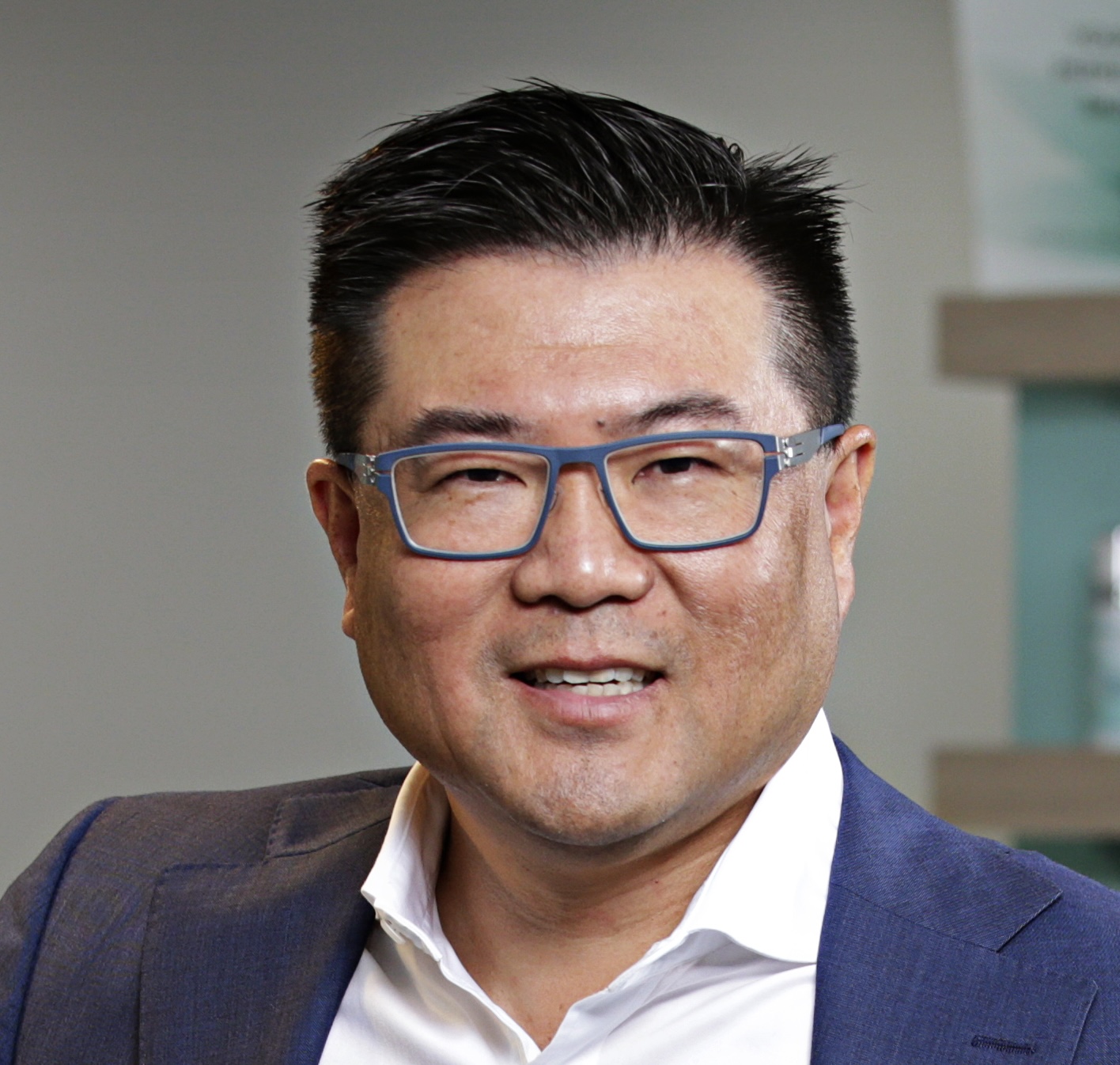
Dr. Terence Poon is the medical director of Neutral Bay Laser & Dermatology Clinic. He is a dermatologist and laser specialist. He has trained extensively in Australia and internationally, in the laser-responsive cosmetic aspects of dermatology.
He undertook a fellowship with Dr Jim Walter, who pioneered the use of lasers in dermatology in Australia and who founded our clinic, which was the first full time laser dermatology clinic in Sydney.

Dr Marianne Nolan has been with the clinic for over two decades and is very experienced in all aspects of laser treatments and related cosmetic procedures. Her meticulous record of safety and competence has earned her a huge following of dedicated cosmetic skin care patients, who also enjoy warm, caring manner. She trained extensively with our founder, Dr James Walter, and has attended regular training programmes and conferences in Australia, Europe and the USA. Together with Dr Walter, she is co-developer of our bespoke rejuvenation treatments, the Walter Nolan Multi-Laser Procedures.

Dr Helena Torpinski has been with our clinic for nearly two decades. Her bright and lively manner continues to ensure she is popular with our patients. Helena works as a GP in Newtown when she is not at our clinic and this adds a great breadth of knowledge and understanding to her engagement with patients. She has expertise in all forms of laser and light-based treatments and has a commitment to ongoing education, training and regular conference attendance.
Other Treatments




Any surgical or invasive procedure carries risks. Before proceeding, you should seek a second opinion from an appropriately qualified health practitioner.
Please do not send urgent messages via email, such as cancellations or appointment changes. Our email is not checked every day. © Neutral Bay Laser & Dermatology Clinic year. All rights reserved. Reproduction of the contents in any form is prohibited. Powered by TAG. Sitemap