
Moles, skin barnacles and skin lesions

Overview
Moles, skin tags, small crusty patches, or a bump that wasn't there last summer. Nearly all of them are harmless, and most can be dealt with in a single visit. However, it's important to know what the lesion is before we treat it. At Neutral Bay Laser & Dermatology every lesion is assessed by a dermatologist before anything is removed, so you'll know what you're having treated and what your options are. We see patients from across Sydney and the lower North Shore.
What kind of lesion is it?
Moles are clusters of pigmented cells, flat or raised, ranging from flesh-toned to dark brown. Some are there from birth and others appear later. Most are harmless, though a mole that changes is always worth having checked.
Seborrhoeic keratoses, one of the lesion types referred to as “skin barnacles”, are the waxy, crusty patches that look stuck onto the skin rather than grown out of it. They're entirely harmless, they come with age and sun exposure, and one of the most common things our patients ask us to remove.
Skin tags are small, soft flaps of skin on a narrow stalk, usually where skin rubs against skin or clothing. They’re harmless and quick to remove
Cherry angiomas are the small, bright red, raised spots that appear on the trunk from about age forty onwards. They're tiny clusters of blood vessels and they're harmless.
Milia are the tiny, firm, white bumps around the eyes and cheeks. They're keratin trapped under the surface rather than blocked pores, which is why they don't clear the way a blackhead does.
Cysts and lipomas sit under the skin rather than on it. A cyst feels firm and movable, a lipoma softer and deeper. Both are benign and usually removed because of their size or location rather than any risk.
Warts, generally found on hands and feet, are rough and raised, often with a cauliflower-like surface, and they're caused by a virus. Genital warts are similar, caused by a variation of the same virus, and found on any part of the genitalia.
Actinic Keratoses are rough, scaly patches on sun-exposed skin. Unlike the rest of the lumps and bumps on this list, these aren't harmless, and they do need treating rather than watching.
Flat brown patches are usually pigmented lesions and are treated using a different laser to raised lesions.
When to see a dermatologist
Most spots are not anything to worry about. But it can be difficult to tell when you’re looking at something serious because those lesions can look quite ordinary early on, which is when treatment success is most likely.
You should book an appointment with a dermatologist when a lesion:
- is new, or has appeared in adulthood
- has changed in size, shape, colour or how raised it is
- itches, bleeds, crusts or won't heal
- looks different from all the other lesions on your skin
- is rough and scaly and keeps coming back in the same place
We examine lesions using dermoscopy, which magnifies and lights the skin so the structures underneath are visible. In most cases, that's enough to identify your lesion. If there's any doubt, we take a sample and have it examined, rather than make any assumptions.
We'd also advise against home removal kits, wart acids and tying off skin tags. Beyond the potential for scarring, if something is removed at home and later turns out to have been a more serious lesion, it can make successful treatment harder or the condition worse.
What is the cost
The first step is an appointment with our dermatologist to review your lesion/s, which incurs a fee of $365. If you have a referral from your GP, you will receive a Medicare rebate of $88. We suggest you undergo a full skin check, allowing Dr Poon to review the concerning lesion, and all other lesions on your body - we recommend annual skin checks for most Australians. During this appointment, Dr Poon will diagnose your lesion, order any tests required if he is unsure (these will incur a further cost), and explain what treatments are suited to the lesion type, and your skin, along with a quote for the cost of that treatment.
The cost of removing your lesion depends on many things, including the type of lesion, the treatment type, whether we’re treating a single lesion or multiple lesions and whether they’re in a patch together or on separate parts of the body. You will be given a full quote and treatment plan at your consult and you are free to take those away to think about, or book in for your treatment. Occasionally, patients are able to undertake their treatment on the same day as their consult with Dr Poon, but this is not guaranteed.
Where a lesion is removed for medical rather than cosmetic reasons, a Medicare rebate may apply. You'll always have the full cost in writing before any treatment goes ahead, and you can always take your quote home to consider whether it is right for you.

Treatment
The most suitable treatment for your lesion depends on the type of lesion, how deep it sits and where it is on your body.
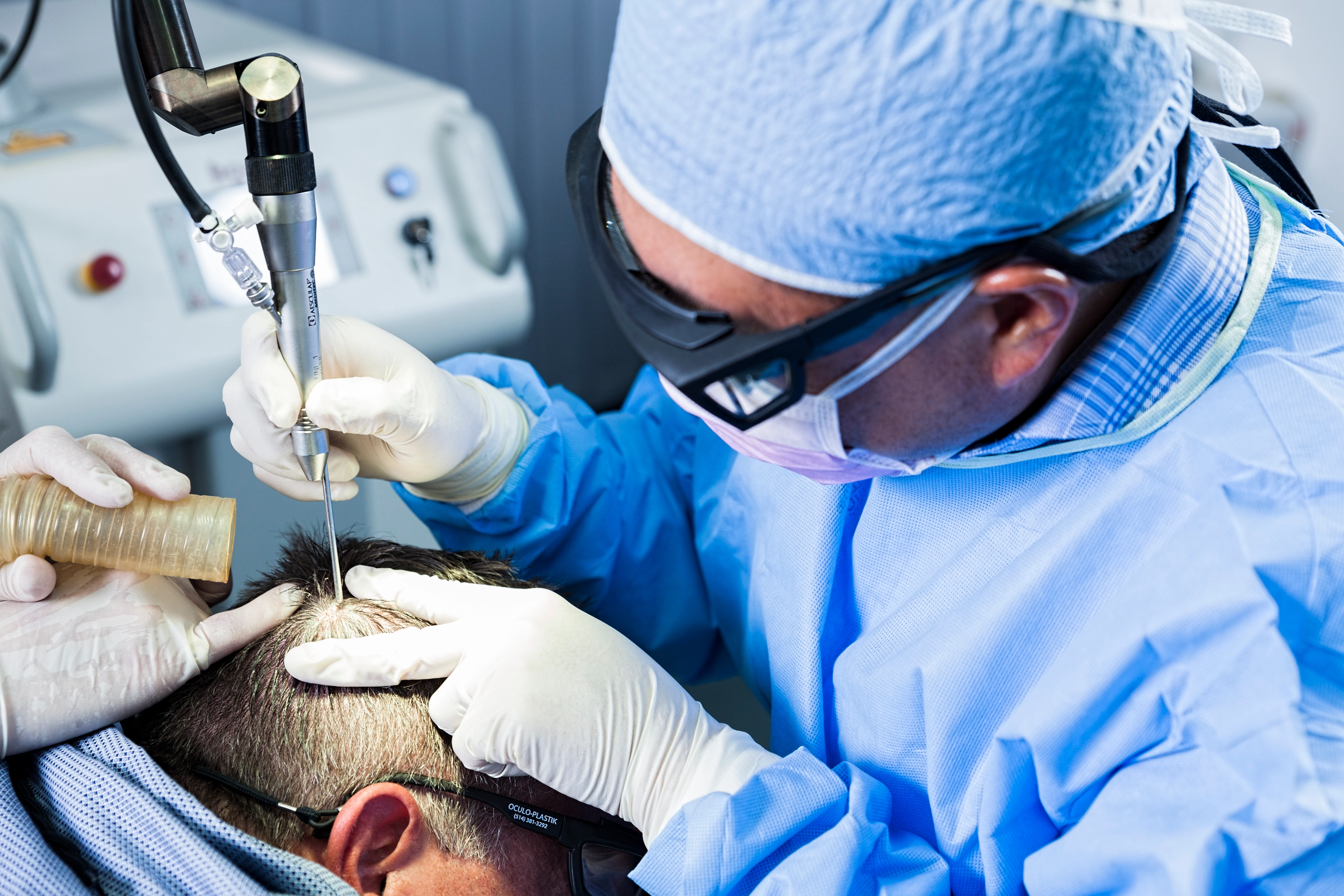
Raised moles are most commonly removed using ablative laser, usually requiring 2-3 sessions.
Cysts and lipomas are generally removed by surgical excision. Anything removed this way can be sent for testing.
- Flat pigmented moles and brown marks aren’t raised lesions, but they can be treated with pigment laser
- Seborrhoeic keratoses and other barnacles, are treated at the surface with ablative laser or curettage
- skin tags can be removed with cryotherapy or possibly surgery.
- Milia can be extracted, or larger ones can be treated with ablative laser
- Cherry angiomas are treated with vascular laser.
- Warts, including genital warts, can be treated with ablative laser or sometimes with other specialised medicines/drugs.
- Actinic keratoses are treated with cryotherapy or photodynamic therapy
- Where sun damage is widespread, several lasers can be combined in one session with our Walter-Nolan multi-laser procedure. Where fine lines and crepey texture are the main concern, Fraxel laser may suit better. We’ll recommend an option based on what’s bothering you, cost and downtime.
Does mole and raised skin lesion removal hurt?
Most removals are done under local anaesthetic, so you'll feel a brief sting as the anaesthetic is injected. Once the area is numbed, all you’ll feel is some pressure. Small surface lesions treated with laser often need no anaesthetic at all. The area is usually tender for a day or two afterwards, much like a small graze.
Will treatment scar?
Lesions removed with ablative, vascular or pigment lasers, such as moles, skin barnacles, skin tags and milia, usually heal flat with no lasting mark, though there may be a pale or pink patch for some weeks. Anything removed surgically will leave a fine line, and we'll tell you where it will sit before we start. Aftercare makes the biggest difference, and we'll give you written instructions.
How many can be treated in one visit?
Where possible, we will treat all problematic lesions in a single session. However, if different treatment modalities are required (i.e. some lesions require ablative laser and some require surgical excision) we may need to treat these on different days. Other factors that can affect whether multiple lesions can be treated in one session are things like the number of lesions to treat, the type of treatment and the type of numbing required. We will discuss all this with you, formulating a treatment schedule, so you understand all the requirements before you agree to undertake the treatment.
Please note - most raised lesions treated with laser require more than one treatment session to obtain the best results. Treatment sessions are usually 4-6 weeks apart.
Our Practitioners
The doctors at Neutral Bay Laser & Dermatology Clinic are highly trained medical professionals, with a caring and compassionate outlook, and a commitment to delivering exceptional results for our patients.
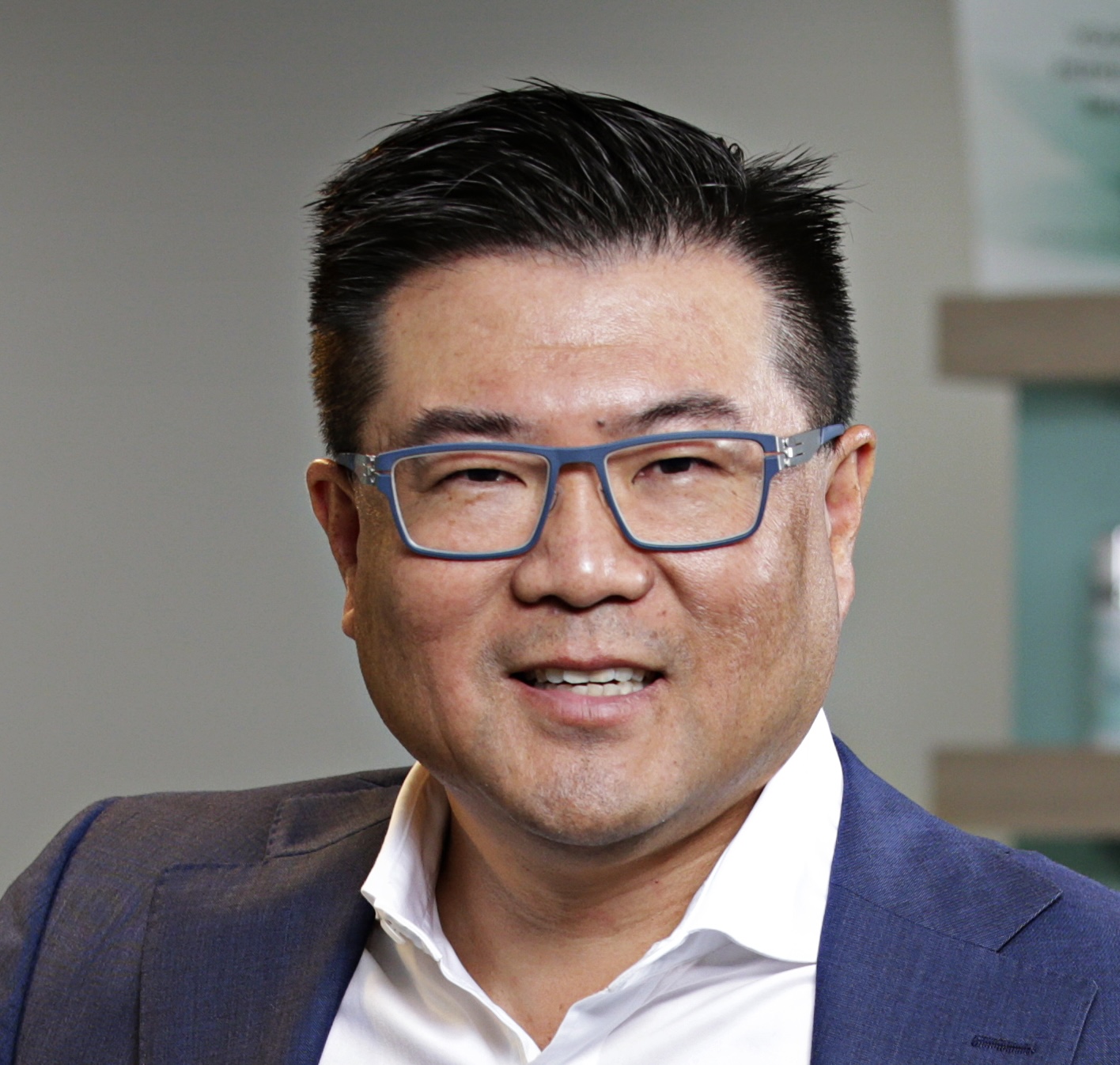
Dr. Terence Poon is the medical director of Neutral Bay Laser & Dermatology Clinic. He is a dermatologist and laser specialist. He has trained extensively in Australia and internationally, in the laser-responsive cosmetic aspects of dermatology.
He undertook a fellowship with Dr Jim Walter, who pioneered the use of lasers in dermatology in Australia and who founded our clinic, which was the first full time laser dermatology clinic in Sydney.

Dr Marianne Nolan has been with the clinic for over two decades and is very experienced in all aspects of laser treatments and related cosmetic procedures. Her meticulous record of safety and competence has earned her a huge following of dedicated cosmetic skin care patients, who also enjoy warm, caring manner. She trained extensively with our founder, Dr James Walter, and has attended regular training programmes and conferences in Australia, Europe and the USA. Together with Dr Walter, she is co-developer of our bespoke rejuvenation treatments, the Walter Nolan Multi-Laser Procedures.

Dr Helena Torpinski has been with our clinic for nearly two decades. Her bright and lively manner continues to ensure she is popular with our patients. Helena works as a GP in Newtown when she is not at our clinic and this adds a great breadth of knowledge and understanding to her engagement with patients. She has expertise in all forms of laser and light-based treatments and has a commitment to ongoing education, training and regular conference attendance.




Any surgical or invasive procedure carries risks. Before proceeding, you should seek a second opinion from an appropriately qualified health practitioner.
Please do not send urgent messages via email, such as cancellations or appointment changes. Our email is not checked every day. © Neutral Bay Laser & Dermatology Clinic year. All rights reserved. Reproduction of the contents in any form is prohibited. Powered by TAG. Sitemap